Consciousness, ‘Concience’ (aware)

Two words, two dimensions of the same mystery.
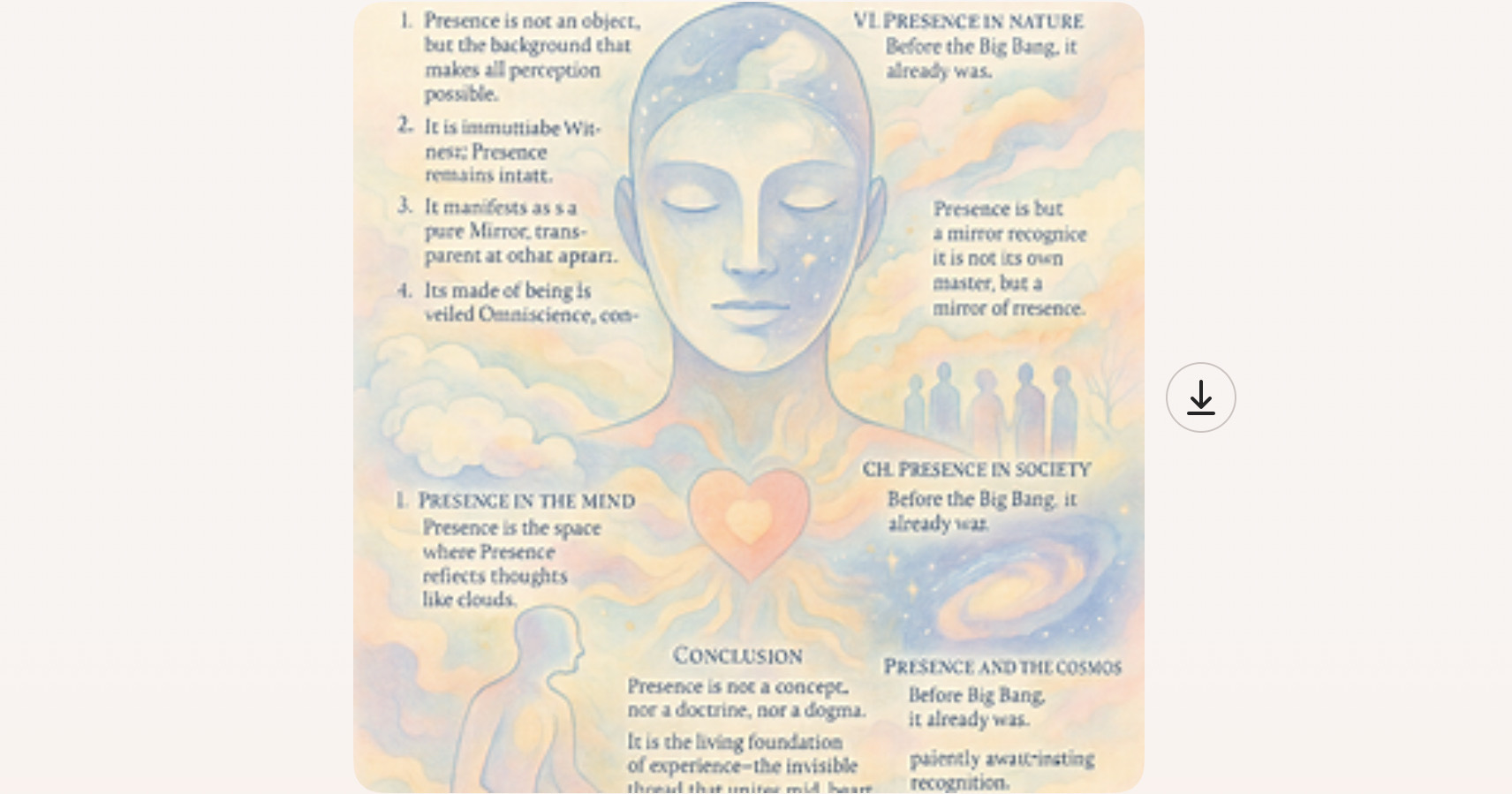
Spanish holds a linguistic privilege that distinguishes it from many other languages: the possibility of differentiating between consciencia and conciencia. This distinction, although sometimes ignored in common usage, reveals a conceptual richness that allows one to delve into the deepest layers of the human experience.
Consciencia (with “sc”), according to the Royal Spanish Academy, is “that which feels, thinks, wills, and acts with full knowledge and complete self-possession.” It refers, therefore, to the capacity to perceive, integrate information, recognize oneself, and situate oneself in the world. Within the framework of the philosophy of mind and neuroscience, consciencia is seen as an emergent property of the nervous system (Dennett, 1991; Edelman, 2004). But in spiritual traditions, Consciencia is understood as a reflection of UNIVERSAL CONSCIOUSNESS, that immutable Presence that Taoism calls the Dao, Vedanta calls Brahman, the Maya named Hunab Ku, and Plato conceived of as the Nous or divine Intellect.
Conciencia (with “c”), on the other hand, designates the “inner knowledge of good and evil,” that is, the ethical and moral capacity that guides human action. Aristotle spoke of phronesis or practical wisdom; Saint Paul understood it as the “law written on the heart” (Rom 2:15); Kant defined it as the voice of duty. Conciencia, therefore, does not tell us what the world is, but how we should inhabit it.
The first is an ontological vision; the second is a moral compass. One opens access to the All; the other regulates the walking in the here and now.
Differentiated example of their use:
A dog or any other irrational animal is conciente (aware) of what is good for it or what harms it, but it does not recognize itself as part of a TOTALITY that is consciente(conscious) of UNIVERSAL CONSCIOUSNESS, as we humans subjectively perceive it.
A large percentage of human beings live concientes (aware) of life, but they are NOT conscientes(conscious) of LIFE nor of their belonging to a cosmic and Universal totality. An example of this are philosophical zombies. Almost literally; they are born, survive, materially reproduce, and die.