Reality as a Dynamic Fabric

A Philosophical, Scientific, and Hermetic Exploration
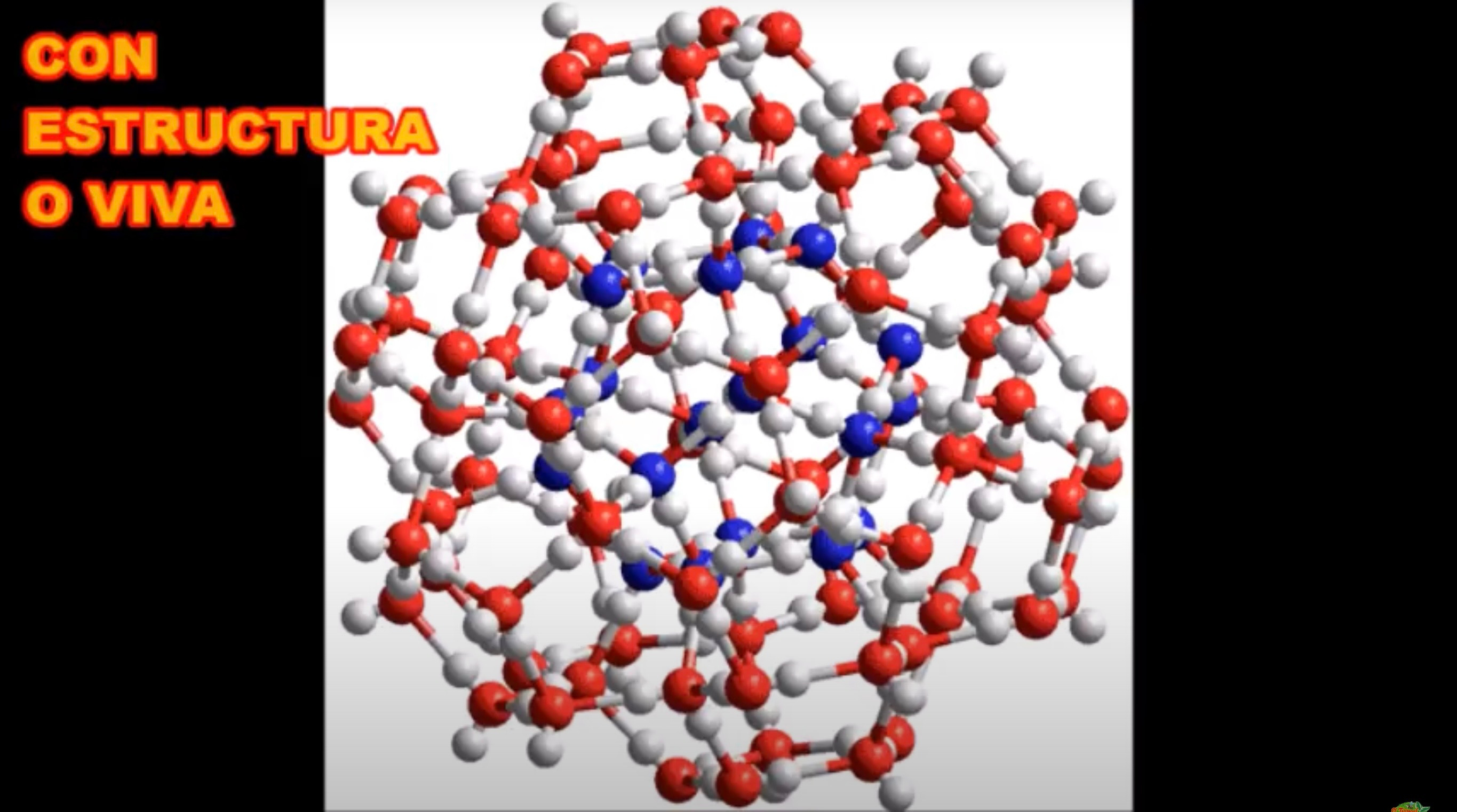
The question of what self-organizes, self-references, and guides reality toward its dynamic unfolding lies at the heart of philosophy, science, and hermetic traditions. Reality is multiple and complex, structured in interwoven levels that constantly interact: the physical, the informational, the cognitive, the linguistic, and the mystical. Attempting to capture its essence requires accepting its fluidity and paradox.
Philosophy: Being and Knowledge
Philosophy—especially through phenomenology and ontology—has long asked how reality is and how consciousness perceives and constructs it. Heidegger spoke of Being as the boundless ground that self-founds all things, while Merleau-Ponty explored reality as the interweaving of body and world, never fully reducible to matter or idea.
Contemporary thought, influenced by Deleuze and Derrida, emphasizes “difference and repetition,” self-organization as a rhizomatic, non-linear process, and self-reference as the very condition for any identity to emerge: the real arises through the interplay between what is and what could be.
Science: Complexity, Information, and Self-Organization
Modern science, through quantum physics, biology, and complexity theory, considers that self-organization emerges in systems far from equilibrium, guided by probabilistic laws and flows of information. Stuart Kauffman and Ilya Prigogine have shown how dynamic systems—from cells to ecosystems to the mind—tend toward spontaneous organization through internal feedback and adaptability.
Self-reference appears in logic and cybernetics: the paradox of the “machine that describes itself” (Gödel, Hofstadter) reveals that any sufficiently complex system generates levels of meta-information where the real observes and redefines itself in infinite cycles.
Physics tells us that matter is also code: atoms follow rules, but “meaning” emerges in relationship, in structure, and in conscious observation.
Hermeticism and Mystical Tradition
Hermeticism teaches the principle of correspondence (“as above, so below”), the principle of vibration, and that of mentalism—suggesting that reality is simultaneously structure and experience, symbol and body. What self-organizes reality is the dynamic of the universal spirit, the Nous, the cosmic mind. Self-reference is expressed as the mirror image of the universe: everything is reflected in everything else.
In mystical traditions, reality is experienced as a weave of interpretations, visions, and symbols. Language is both key and veil; consciousness is the driving force of self-organization and meaning. The One unfolds into multiplicity through the dynamic flow of energies, states, and signifiers.
A Layered Weave: Dynamic Synthesis
Reality, then, self-organizes, self-references, and is guided by:
Feedback and Emergence: Information systems that adapt and manifest new structures.
Autopoiesis: The ability of living and symbolic systems to produce and maintain their own organization.
Consciousness and Observation: The mind interpreting, reformulating, and embodying the world—turning symbol into body and body into symbol.
Correspondence and Resonance: The link between the micro and the macro; the pulse that tunes the physical, informational, cognitive, linguistic, and mystical levels.
Code and Matter: The underlying unity between structure (laws, algorithms) and experience (lived feeling).
The guide is the process itself: real and metaphorical, reality is movement—a fabric of self-affirmation and exploration of its possibilities. What self-organizes it is the tension between chaos and form, the search for balance in becoming, and openness to mystery.
If, reality is therefore an endless dance: a dynamic interweaving that organizes itself through feedback, self-organization, self-reference, emergent code, conscious awareness, and the mystical play between symbol and body. And If, its becoming is guided by the perpetual tension between structure and potential, matter and meaning, presence and possibility: a process always self-adjusting.
Thus we may ask: What, how, why, or who determined its point of balance?
What, how, why, or who makes it unfold in an endless continuum?
How and why is it that whatever began reality’s construct keeps moving it forward?